Jane Belinda Therapy
Areas Counselling Can Support
"People only seriously consider change when they feel accepted for exactly who they are." Carl Rogers
What Counselling Can Support With
Life can feel overwhelming at times, and it's not always easy to make sense of what you're thinking or feeling. I believe we need others and aren't meant to navigate choppy waters alone and that's where compassionate counselling comes in. I may not have the answers, but I can offer a deeply accepting and confidential space where you will be truly listened to.
Below are some of the areas I commonly support clients with. You may relate to one of these, several or none at all and that's okay. Whatever brings you to counselling, whatever untold story you may be holding inside, is welcomed with open, non-judgemental and respectful arms.

Anxiety
Many people seek counselling because they feel constantly worried, overwhelmed, or on edge. Anxiety can affect sleep, confidence, work and relationships.
- 6 in 100 people are diagnosed with generalised anxiety disorder (GAD) in any given week in England
- The UK anxiety disorder rate stands at approximately 5.6%, higher than the global average of 4.4%
- Women report significantly higher anxiety levels than men: 37.1% of women versus 29.9% of men
Anxious symptoms, like all other symptoms, are information. There are many reasons why you may be experiencing anxiety, perhaps you don't remember a time when you weren't feeling anxious or perhaps your anxious symptoms have been brought on by a recent distressing or traumatic event. It can feel hugely difficult to live day to day life while struggling with anxiety and you may feel completely lost as to what to do.
You may be experiencing
- excessive worry
- panic attacks
- anxiety around social situations
- anxiety around health
- anxiety around everyday life
- struggling to rest, sit still, not do anything
- irritability
- disrupted sleep
Therapy can support to find out the root cause of anxiety and to build a tool kit of techniques to reduce the debilitating symptoms.
Depression/Low Mood
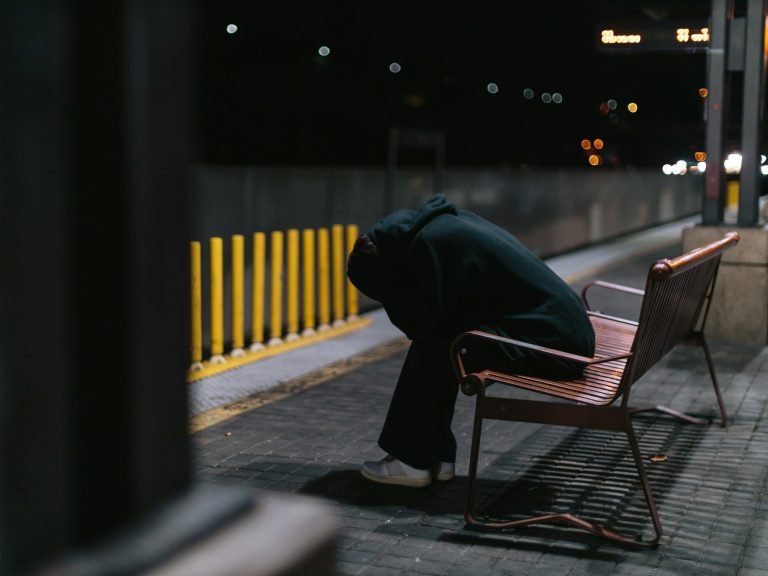
Depression and low mood can leave you feeling emotionally drained, disconnected, or as though you're simply getting through each day rather than living it.
- 18% of all adults in Great Britain are experiencing moderate to severe depressive symptoms, approximately 1 in 5.
- Mixed anxiety and depression is the most common mental disorder in the UK, with 7.8% of the population meeting diagnostic criteria.
- Women are significantly more likely than men, approximately 24% of women versus 15% of men report weekly symptoms of depression.
Depressing our feelings is a common human response to overwhelming experiences or emotions that feel incredibly difficult or scary to connect with. This can be effective and necessary in the short term but overtime, while we aren't feeling the pain, we also aren't feeling happiness or anything at all and we exist in survival.
You may be experiencing
- fatigue, low motivation, low energy
- loss of interest in life, people, hobbies
- low self-worth
- negative critical thoughts about self or others
- numbness, not feeling anything
- isolating yourself
- excessive desire to sleep
- no appetite or wanting to eat all the time
Therapy can support you to explore the underlying factors that are causing the depression and reconnect to emotions with care and patience to prevent overwhelm.

Relationships
Our relationships play an important role in our emotional wellbeing, yet they can also be one of life's greatest sources of pain and uncertainty. You may be experiencing challenges with a partner, navigating intimacy blocks, have difficulties maintaining friendships or dealing with family estrangement, all of which can leave you left feeling hurt, confused and deeply alone.
- 42% of marriages in the UK end in divorce
- 18% of married couples in the UK experience infidelity but 55% stay together with counselling
- 48% of couples report mental health issues affect their relationship, 78% see improvement after therapy
- At least 5 million people in the UK have made the choice to no longer be in contact with a member of their family.
- Around 1 in 5 UK families will be touched by family estrangement and its consequences.
The therapeutic relationship can mimic how we interact in relationships outside the counselling room, which can be a wonderful opportunity to learn more about attachment wounding and what is needed to heal.
You may be experiencing
- Frequent arguments or ongoing conflict
- Extreme dating fatigue and loss of hope
- Difficulty expressing needs or setting boundaries
- Emotional or sexual Infidelity
- Separation, divorce, heartbreak, endings
- Fear of intimacy, rejection, abandonment
- Smothering or neglectful parents
- Conflict avoidance
- Feeling alone in a relationship
- Emotional distance or disconnection
Grief & Bereavement
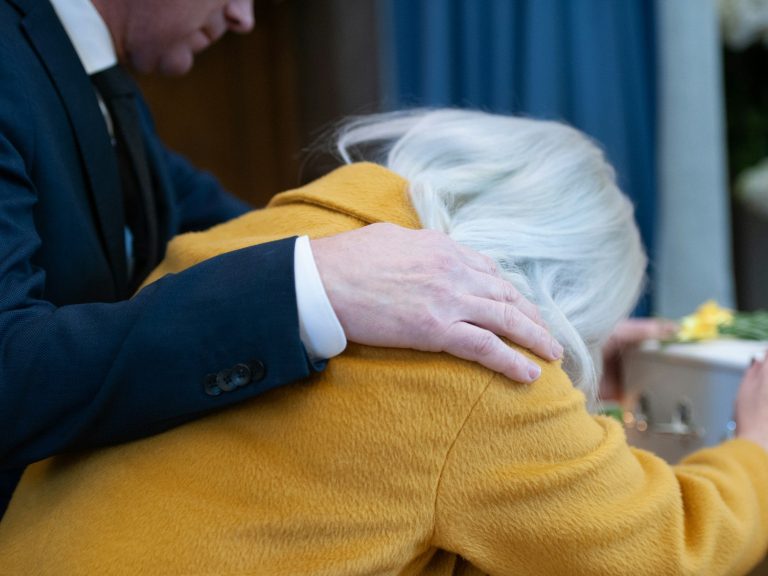
Grief is a deeply personal experience that can touch every part of our lives and in fact, is an experience that unites us all. Whether you're mourning the death of a loved person or pet, the end of a relationship, a change in health, or the loss of the life you had imagined, there is no right or wrong way to grieve.
- Over 600,000 people die in the UK every year, leaving over six million people bereaved.
- A survey in 2024 found that 83% of respondents believe the nation is bad at talking about death and grief.
- 88% of respondents felt alone in their grief
- 27% reported never having the option to talk about their grief to those around them
Counselling is a place to talk about your loss as much as you need, for as long as you need. Grief is an experience that has different phases that we can pass in and out of and also return to. Finding a way to live with loss is also something grief therapy can support.
You may be experiencing
- Overwhelming sadness, emptiness, or longing
- Anger, guilt, bitterness and/or regret
- Feeling isolated or misunderstood by others
- Difficulty sleeping or changes in appetite
- Ruminating on what happened or what could have been different
- Wanting to talk about your grief but feeling shame as people have stopped asking
- Trouble concentrating or mental exhaustion
- Anxiety about the future without loved one
- Feeling stuck or pressure to 'move on'
- Feeling frustrated that you're 'not over it'
- Feeling worse as time goes on
Identity and Self-Esteem
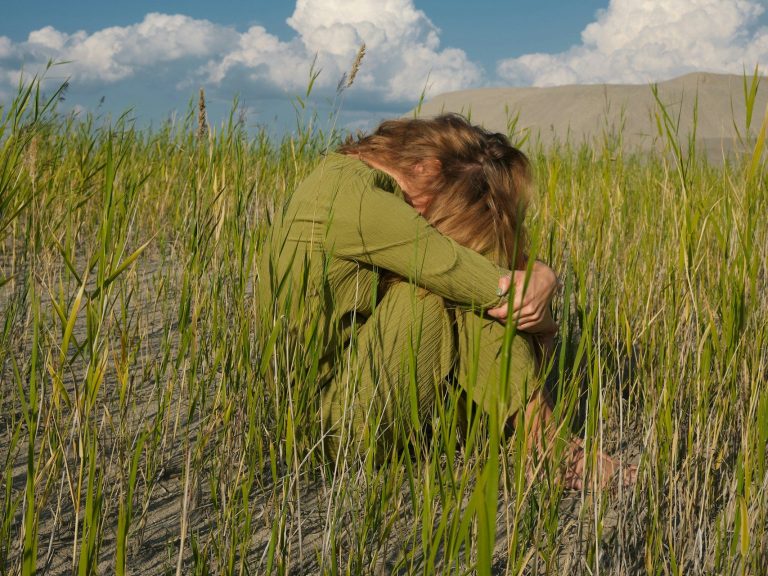
How we see ourselves can shape every aspect of our lives, from our relationships and work to the choices we make each day. Struggling with low self-worth and a questioning of identity can leave us feeling uncertain, disconnected, anxious, depressed, lonely and not good enough, which can have a devastating impact on our quality of life.
- Around 85% of individuals worldwide report experiencing low self-esteem at some stage in their lives. This issue is particularly prevalent among younger populations, but it affects people across all age groups
- Studies indicate that 70% of women struggle with low self-esteem, reflecting societal pressures and personal perceptions of self-worth
- A study known as the Self-Love Index found that the average score for self-love among participants was only 53 out of 100, indicating that many individuals feel more self-doubt than self-love.
Often people come to counselling unaware that the relationship they have with themselves is at the root of much of their distress. Counselling is an opportunity to explore the quality of our self-relationship and build self-trust, self-compassion, self-respect and self-understanding.
You may be experiencing
- Constant negative self talk/criticism
- People pleasing/low tolerance for disappointing others
- Comparing yourself to others ill favourably
- Fear of failure or making decisions
- Struggling to recognise achievements and personal strengths
- Difficulty liking and accepting all parts of you
- Low self-confidence and self-belief
- Feeling lost during life transitions
- Staying stuck in one place and fear of new experiences and people
- Feeling unsure of who you are or what you want, need, feel, think and believe

Stress/Burnout
Stress is a natural part of life, but when it becomes constant or overwhelming, it can begin to affect your emotional, physical, and mental wellbeing. Burnout can leave you feeling exhausted, disconnected, and unable to cope with the demands of everyday life.
- 91% of employees reported high or extreme pressure in the past year.
- 17% of those who took time off had a formal burnout recovery plan in place
- 96% of women reported high or extreme stress in the past year, compared to 86% of men
- Healthcare workers are most likely to experience burnout (88%), followed by social workers (73%-79%), emergency responders, teachers, lawyers and creative professionals
There are many signs that indicate you may be at risk of burnout and therapy can support you to identify these and reverse your chance of collapse and exhaustion. During my time working with NHS key workers before, throughout and after the pandemic, I experienced first hand the detrimental impact of burnout and the significant time it takes to fully recover. Attending regular counselling can prevent this by supporting you to identify what you need and take care of yourself.
You may be experiencing
- Feeling constantly overwhelmed or under pressure
- Emotional or physical exhaustion
- Difficulty switching off or relaxing
- Feeling irritable, frustrated or tearful
- Poor concentration or 'brain fog'
- Trouble sleeping or feeling tired all the time
- Loss of motivation or enjoyment.
- Feeling as though you've reached your limit
- A significant drop in compassion for others and self
- Feeling detached, numb or not in your body
- Prioritising work at all costs and unable to switch off when home
"What you are to be, you are now becoming" Carl Rogers
Trauma
While every person's story is unique, I believe that many emotional and relational difficulties can be rooted in unprocessed trauma, unseen and unfelt pain from our early childhood experiences, or a nervous system that has adapted to survive difficult circumstances and feels unsafe to move from existing to aliveness.
This is my reason why I specialise in trauma-informed psychotherapeutic counselling and working with you to explore deeper wounding and unconscious beliefs that may be shaping how you show up in the world.
This is my reason why I take a holistic approach as we are all wonderfully individual and I have found a bespoke approach is the most effective for meaningful, long-lasting change.