Jane Belinda Therapy
Flexible appointment times - Surbiton/Kingston In Person Clinic - Secure Online Sessions - Confidential Support
Depression
Depression is more than simply feeling sad or having a bad day. It can affect the way you think, feel and experience the world, leaving you feeling emotionally drained, disconnected or as though you’re simply going through the motions of life. For some people it develops gradually, while for others it follows difficult life events, loss or prolonged periods of stress.
Therapy provides a safe, supportive space to understand what may be contributing to your depression. Rather than simply managing symptoms, we explore the underlying experiences, beliefs and patterns that may be keeping you stuck, helping you reconnect with yourself and begin moving towards a life that feels more meaningful and fulfilling.

Did you know?
18% of all adults in the UK are experiening moderate to severe depressive symptoms.
Young adults aged 16-29 report the highest rates of depression symptoms with 26% experiencing moderatate to severe symptoms.
Women are more likely to expereience depression with 24% compared to 15% of men reporting weekly symptoms.
Disabled adults are five times more likely than non-disabled adults to experience some form of depression.
Unpaid carers providing 35 or more hours of care a week have a 37% prevalence of moderate to depression symptoms.
37% of first-year university students experience moderate to severe depression or anxiety.
6.7% of people in the UK have experienced the death of a spouse
6.5% have also experienced the death of a child under the age of 18
One in ten asked in a recent Marie Curie survey, indicated that they would feel uncomfortable reaching out to family and friends for help and one in 8 reaching out to bereavement services.
Is This You?
- Feeling low, empty or emotionally numb
- Losing interest in activities you once enjoyed
- Feeling exhausted, even after resting
- Withdrawing from family and friends
- Feeling hopeless about the future
- Low self-esteem or excessive self-criticism
- Finding it difficult to concentrate or make decisions
- Changes in sleep or appetite
- Feeling guilty or like you’re a burden
- Struggling to find motivation for everyday tasks

Depression we can explore together
Reactive Depression
Following a significant life event such as bereavement, relationship breakdown, redundancy
Clinical Depression
Persistent low mood, loss of interest, poor appetite and changes in sleep
Persistent Depressive Disorder
A lower level of depression that lasts for months or even years.
Depression related to Trauma
Unresolved trauma or difficult childhood experiences
Seasonal Affective Disorder
Low mood specifically related to a weather season, most common in winter
Peri and Post Natal Depression
Depression during pregnancy or after giving birth with guilt, disconnection and sometimes rejection of the baby.
Peri and Menopausal Depression
Hormonal changes can contribute to depression symptoms

My aim is see depression and low mood symptoms as information and nothing to be ashamed about. You are not broken, you are in pain and pain deserves care and attention.
How I Work
Depression rarely appears without reason. Together we’ll gently explore what may be contributing to your low mood, whether that’s difficult life experiences, unresolved grief, trauma, relationship difficulties, chronic stress or patterns that have developed over many years.
Alongside developing practical ways to manage symptoms such as challenging your thoughts with CBT exercises, we will also work towards growing a compassionate self with CFT techniques combined with gentle person centred exploration to identify the root of your suffering. We’ll work towards understanding yourself with greater compassion, reconnecting with your values, strengthening your sense of self and gradually building a life that feels richer, more hopeful and more connected.
Grief & Loss
Grief is a natural response to loss, but it isn’t limited to bereavement. You may be grieving the end of a relationship, changes to your health, infertility, a career, your childhood, or the future you had imagined. Everyone experiences grief differently, and there is no right or wrong way to grieve.
Therapy offers a compassionate space where you don’t have to rush the process or hide your emotions. Together we make space for your loss, helping you understand your experience while finding ways to move forward that honour both your grief and your life.

Is This You?
- Intense sadness or tearfulness
- Feeling emotionally numb or disconnected
- Longing for the person or life you’ve lost
- Guilt, regret or unresolved feelings
- Anger or irritability
- Difficulty concentrating or remembering things
- Changes in sleep or appetite
- Feeling isolated or misunderstood
- Struggling with anniversaries or reminders
- Wondering if life will ever feel normal again

Grief we can explore together
Bereavement
Navigating the death of someone important to you, whatever your relationship or circumstances.
Relationship Loss
Processing separation, divorce or the end of a significant relationship
Complicated Grief
When grief feels overwhelming, prolonged or intertwined with trauma, guilt or unresolved emotions.
Life Transitions & Identity Loss
Grieving changes such as retirement, infertility, empty nest, illness or the life you thought you would have.
Anticipatory Grief
Living with sadness and uncertainty that can come before an expected loss
Making Sense of Loss
Finding ways to honour your grief while gradually reconnecting with hope, meaning and life beyond your loss
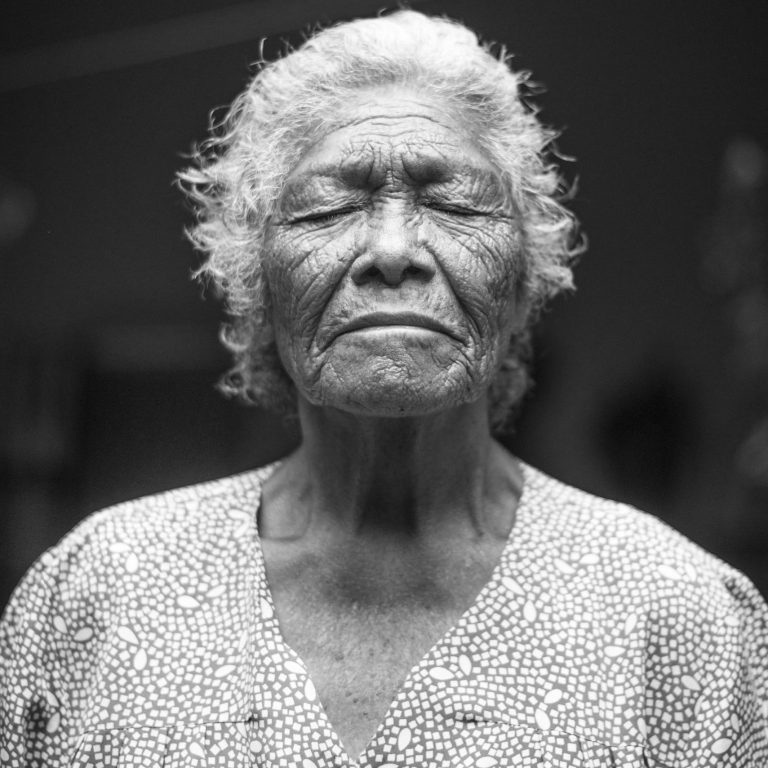
Grief and loss unites us all as it's an experience every human will go through in their lifetime. I hope a patient and gentle space for you and your unique story.
How I Work
Grief isn’t something to “get over”, it’s something we learn to carry. My role isn’t to rush your healing or encourage you to move on before you’re ready. Instead, I provide a safe, compassionate space where every emotion is welcome.
Together we’ll explore your unique experience of loss, process difficult feelings, make sense of the changes grief has brought, and gradually find ways to reconnect with hope, purpose and the parts of life that still hold meaning. Where grief has become complicated by trauma, guilt or unresolved relationships, we can gently work through these experiences together. There are several models of working with grief that can be useful but I find listening and bearing compassionate witness to your pain is often the most effective.
Testimonial
"I cannot tell you how much this counselling has helped to change the way I feel about myself and how positive I now feel for the future. " H.H