Jane Belinda Therapy
Flexible appointment times - Surbiton In Person Clinic - Secure Online Sessions - Walk & Talk in Richmond Park
Therapy that gets you out of the room and back into yourself
Sometimes sitting opposite someone in a therapy room can feel like a lot.
For some people, talking while walking feels more natural. There is something about moving alongside another person, rather than sitting face-to-face, that can make difficult conversations feel less intense and more manageable.
Walk-and-talk therapy offers the opportunity to do therapy outdoors, combining psychological therapy with gentle movement and the natural environment.
The therapy itself remains therapy. We can explore the things you would usually bring to a session; anxiety, stress, trauma, relationships, self-esteem, difficult emotions, life transitions or patterns that you want to change but we do this while walking together.
For some people, having something physical to do while talking can make it easier to think, feel and find the words for things that can be difficult to express when sitting still.
*Walk and Talk therapy is not suitable for EMDR sessions.
Why walking can be helpful
- Our minds and bodies don’t operate separately.
- Walking gives you space to breathe, notice your surroundings and become aware of what is happening internally without having to maintain constant eye contact.
- You don’t have to sit and stare at me while talking about something difficult.
- We might walk quietly for a while, stop and sit somewhere or notice what is happening in your body as you talk about something important.
- The environment around us may become part of the conversation.
- There is no requirement to make the walk meaningful or therapeutic in itself. Sometimes it’s simply easier to talk while walking.
Walk & Talk might appeal if you;
- find traditional therapy rooms uncomfortable or restrictive
- think better when you’re moving
- become self-conscious with prolonged eye contact
- feel restless or overwhelmed when sitting still
- spend a lot of time in your head and want to reconnect with your body
- are experiencing stress or burnout and need a more active approach
- want space to reflect on a period of change
- feel more comfortable talking alongside someone rather than sitting opposite them
- enjoy being outdoors and want to incorporate that into your therapeutic work.
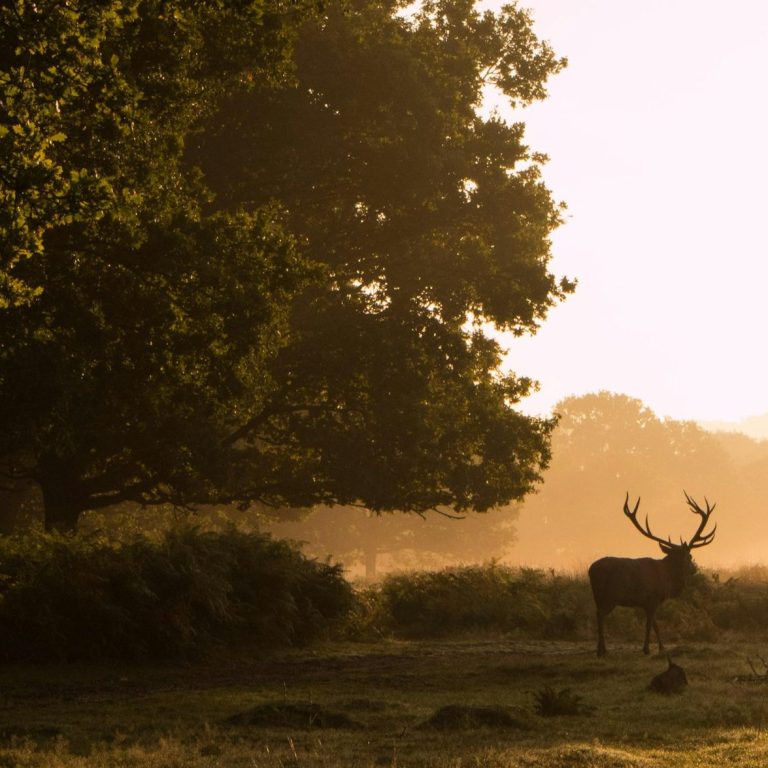
For clients who have experienced trauma, the physical environment can also be important. Having more control over where you look, how you move, and how close you are to another person can sometimes create a different sense of safety. Experiencing fresh air and free open space can support nervous system orientation.
What happens on a walk & talk session
- A walk-and-talk session is 50 minutes, just as a conventional therapy session would be.
- I have mapped out meet points and routes in two parks and we agree which one suits beforehand.
- We walk at a leisurely pace. This isn’t exercise and there is no expectation that you need to be fit or fast.
- The emphasis is on the therapy rather than the distance covered.
- You remain in control of your pace and can ask to stop, pause or change direction at any point.
- If walking isn’t comfortable on a particular day, or if the weather is extreme or unsuitable we can adapt the session
- We agree a 'lost or late' system and what to do in the unlikely event of bumping into someone familiar
"Nature itself is the best physician.” Hippocrates